HISTORY
Music History

45, 78, and 33 RPM reccords
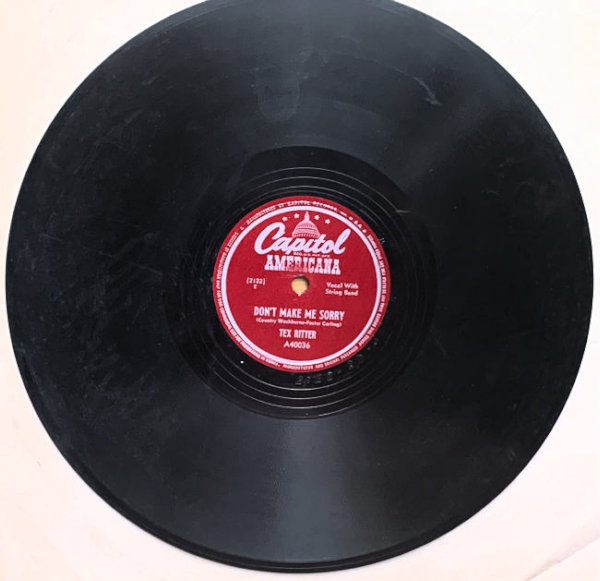
78 rpm records were made of bakelite and could crack or break easily

Our 78 record player played throuhgh the radio
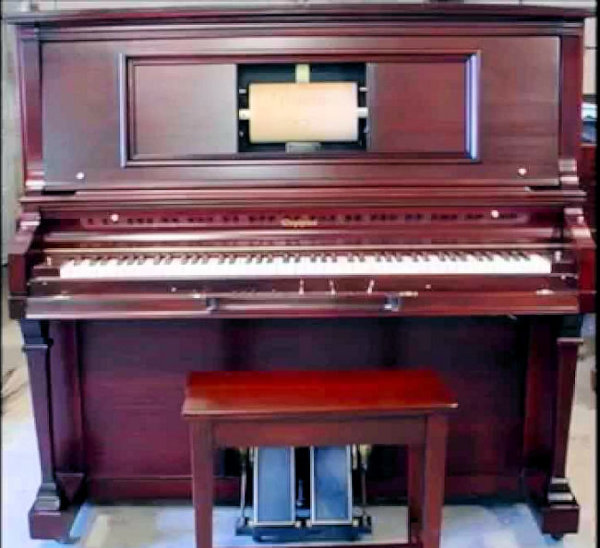
My grandmother had an upright player piano
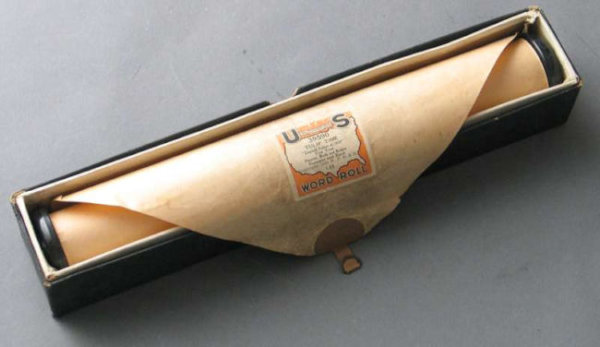
A piano roll was a roll of stiff paper with perforated holes.
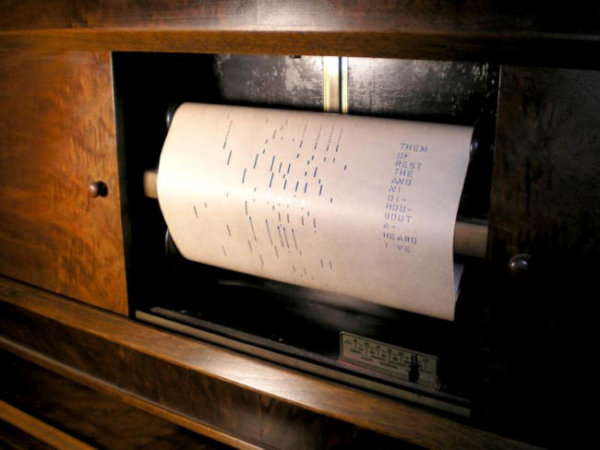
Perforated holes in the stiff paper of the roll dictated the notes the piano would play. The lyrics appeared on the roll also.
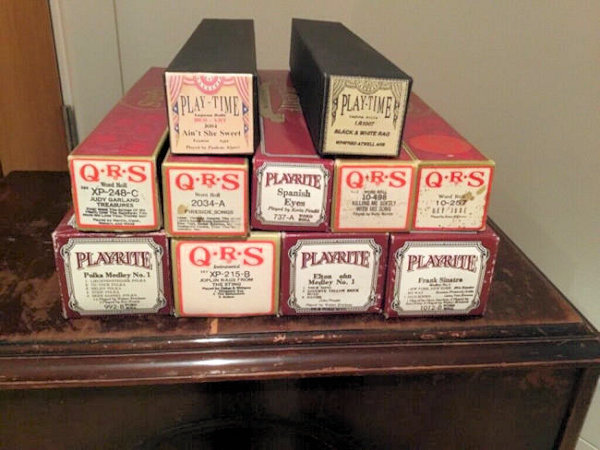
Piano roll in their boxes
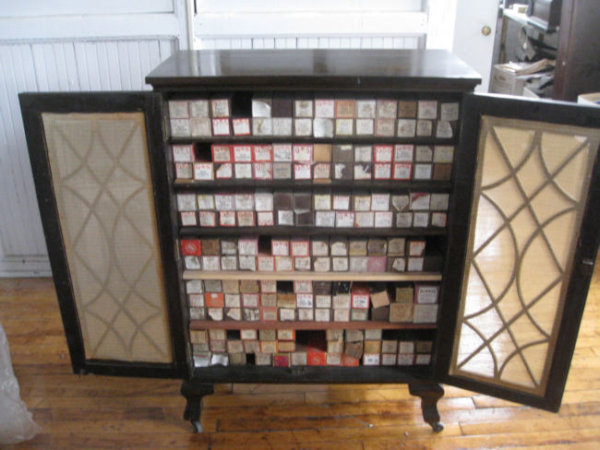
Grandmother had an extensive collection of piano rolls, neatly organized in a cabinet
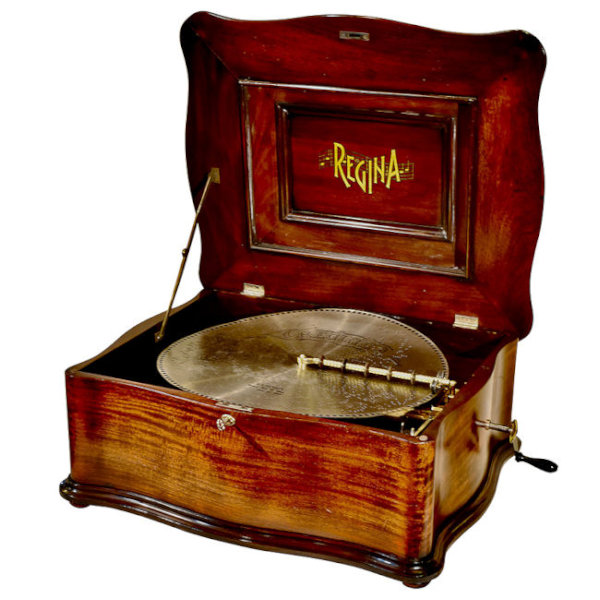
My neighbors Mae and Peg Walker had a Regina music box like this
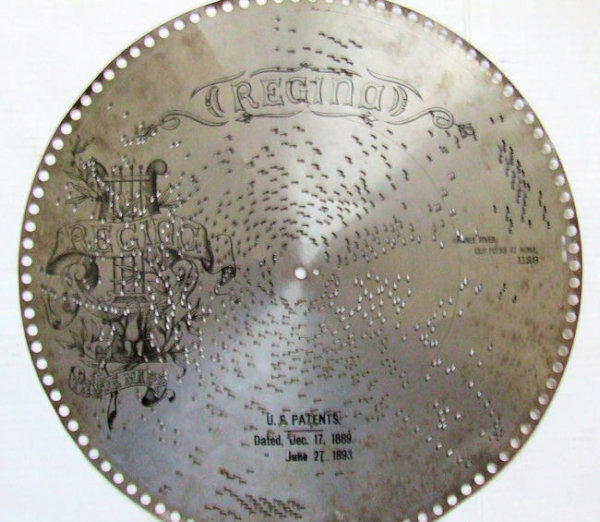
The Regina music box played 15 1/2 inch metal discs
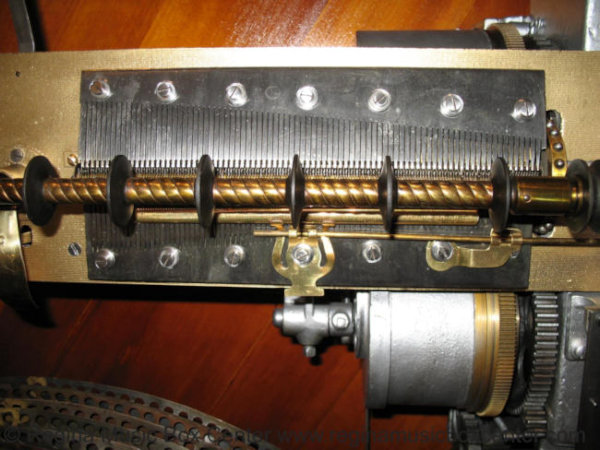
The teeth on the disk plucked a comb to produce an incredably rich musical sound.
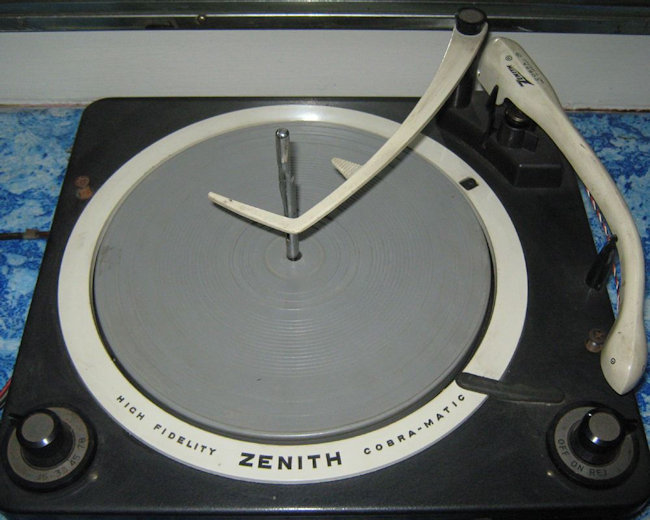
I had a Zenith "Cobra-matic Hi-Fi" that I often brought to house parties with two cases of 45 RPM records
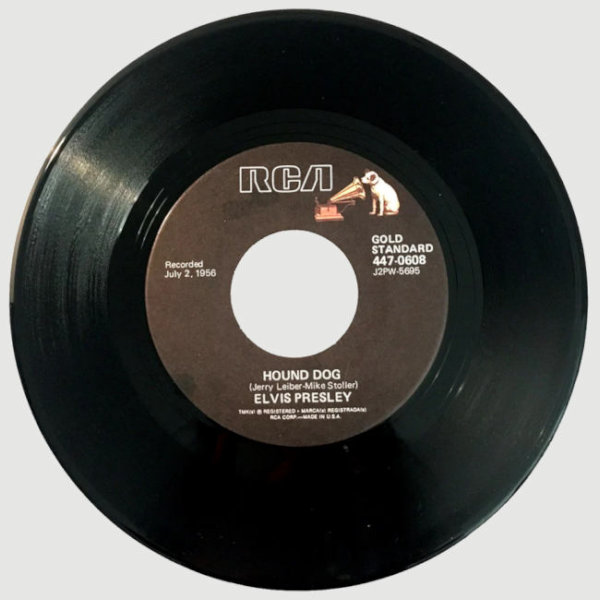
I had dozens of 45 rpm records
Hound Dog by Elvis Presley
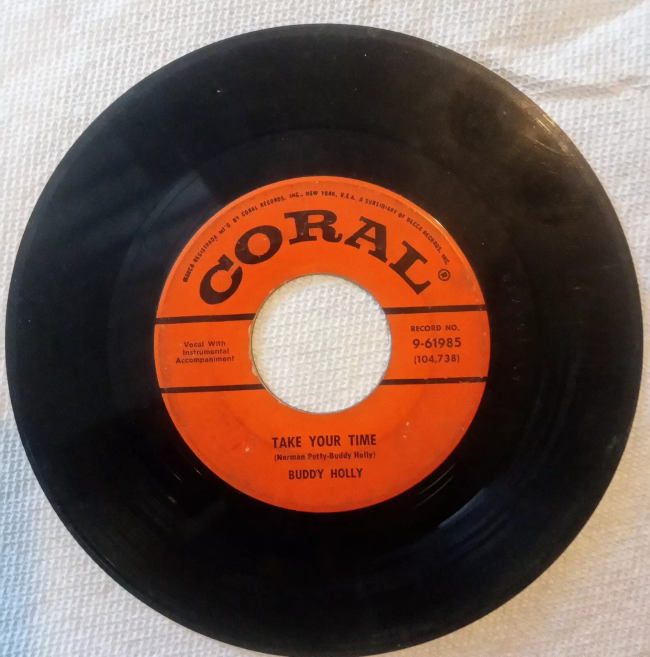
This 45 record is selling for $450
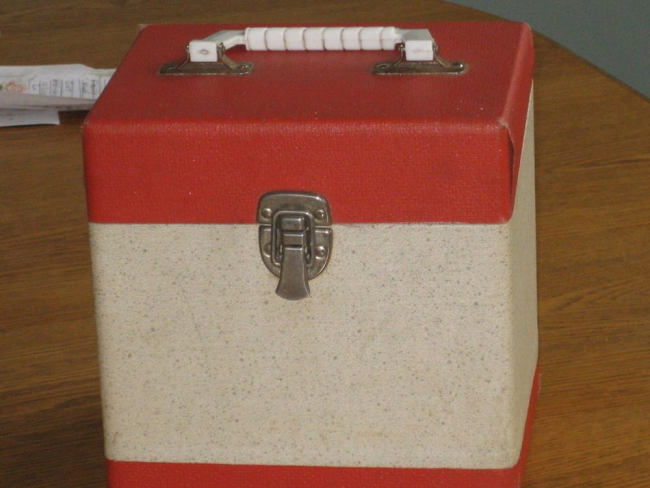
A 45 rpm record case
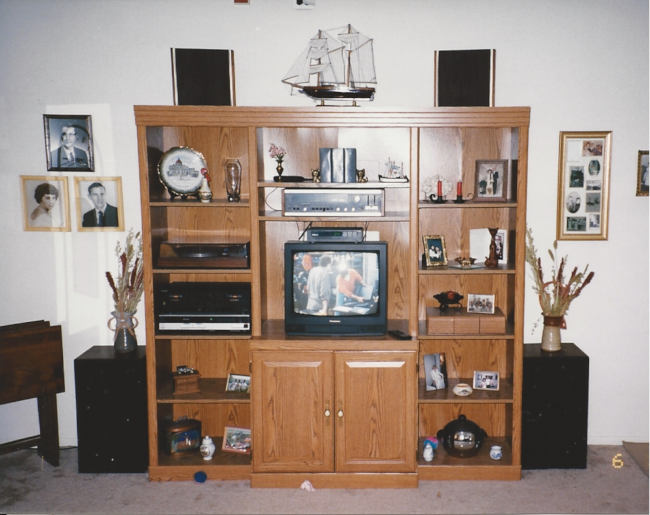
Entrertainment Center with 4 speakers
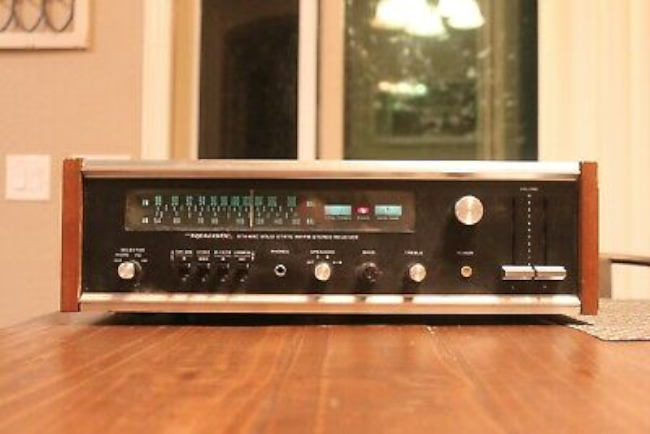
STEREO (Radio Shack STA-65 tuner/amplifier)
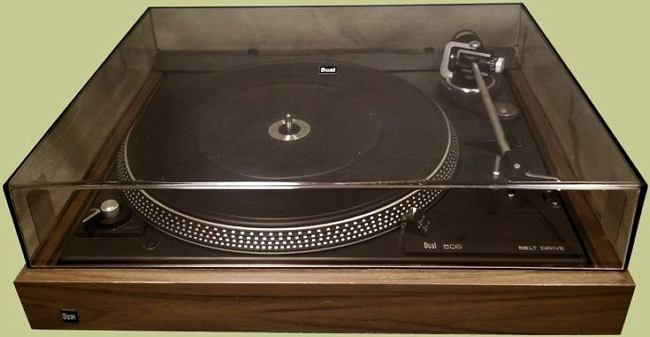
TURNTABLE (strobe speed control
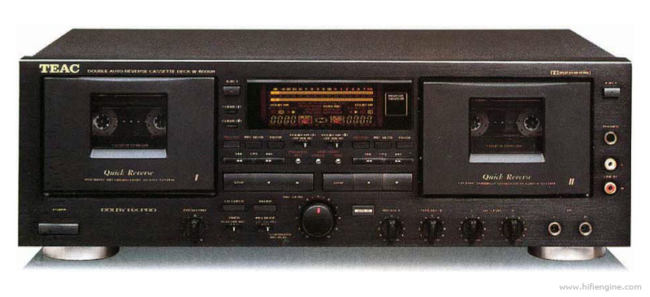
CASSETTE DECK (Teac)
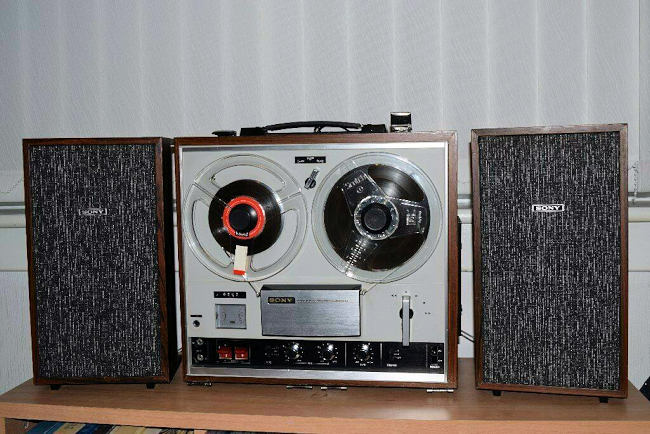
REEL-to-REEL TAPE DECK (Sony portable)
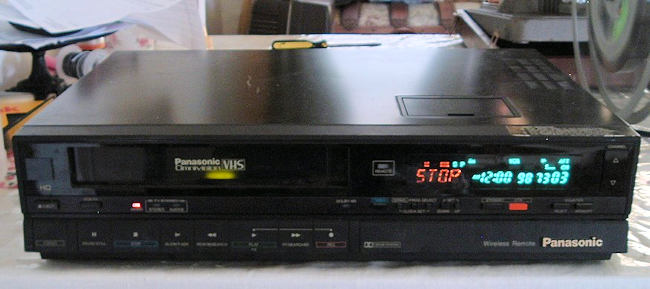
Panasonic VHS player/recorder
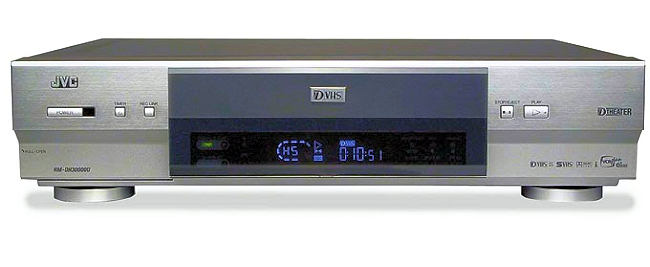
JVC VHS tape player
Family History
Iuen Family Photos

On May 23, 1838 Jean Christian Iuen arrived in New York on the bark Dido with his second wife and four children.
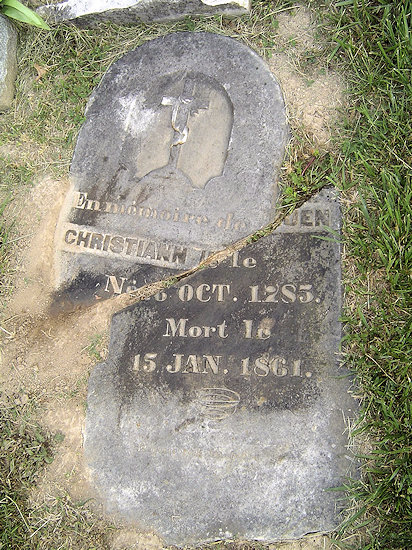
Christian Iuen's headstone
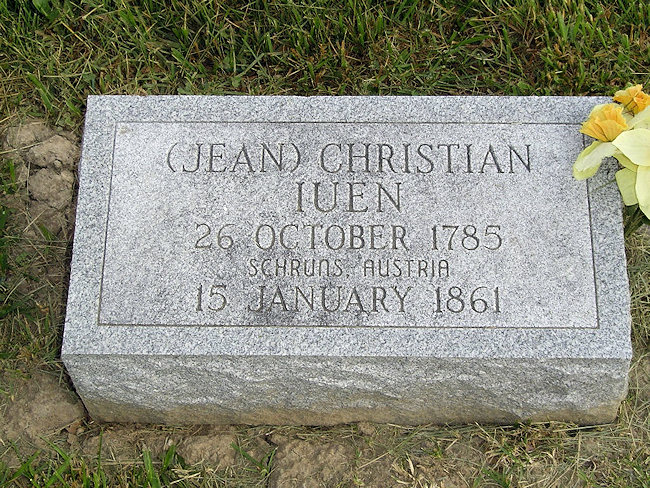
The new headstone by the Chandler Family
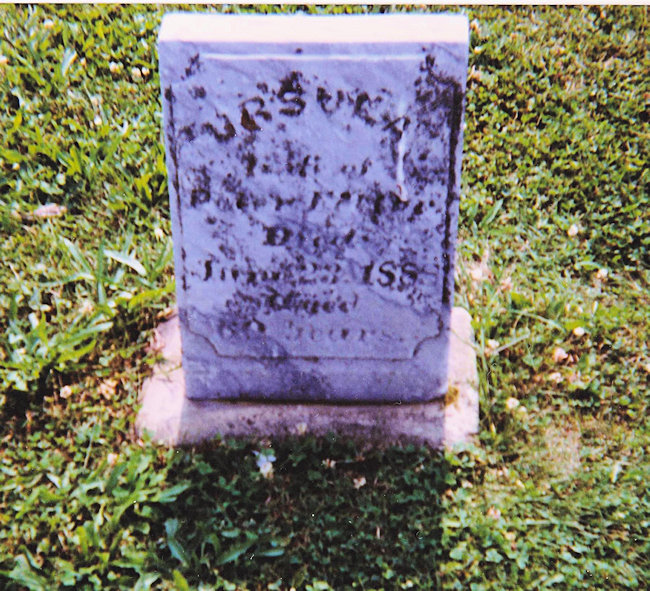
Ursala Iuen's headstone
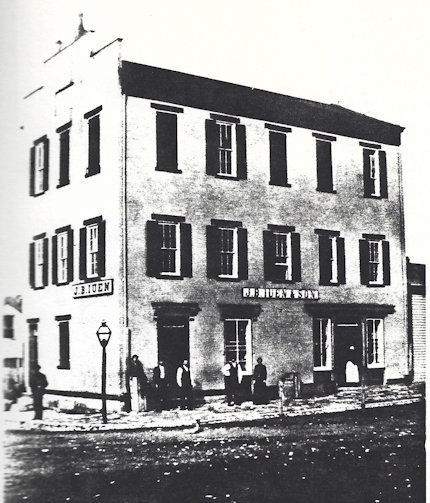
J.B. Iuen's National Hotel on the corner of Main and Garfield Streets, Milford, Ohio (c1875)
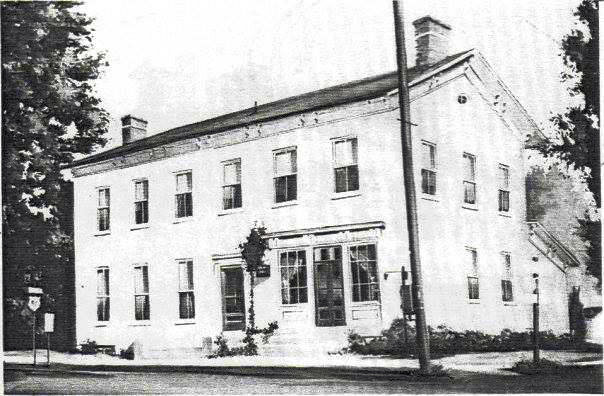
Franis Xavier Iuen building Owensville, OHIO
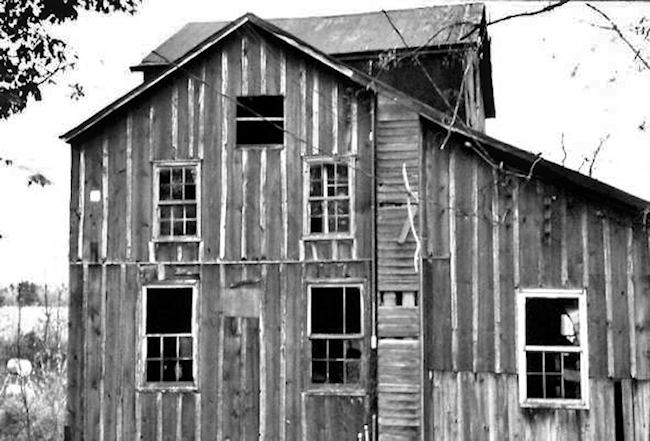
The Iuen Brother's Mill Owensville, Ohio
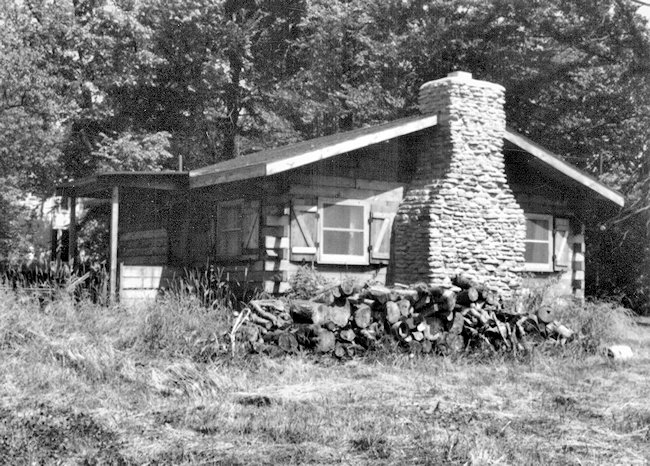
An historic log cabin in Owensville, Ohio
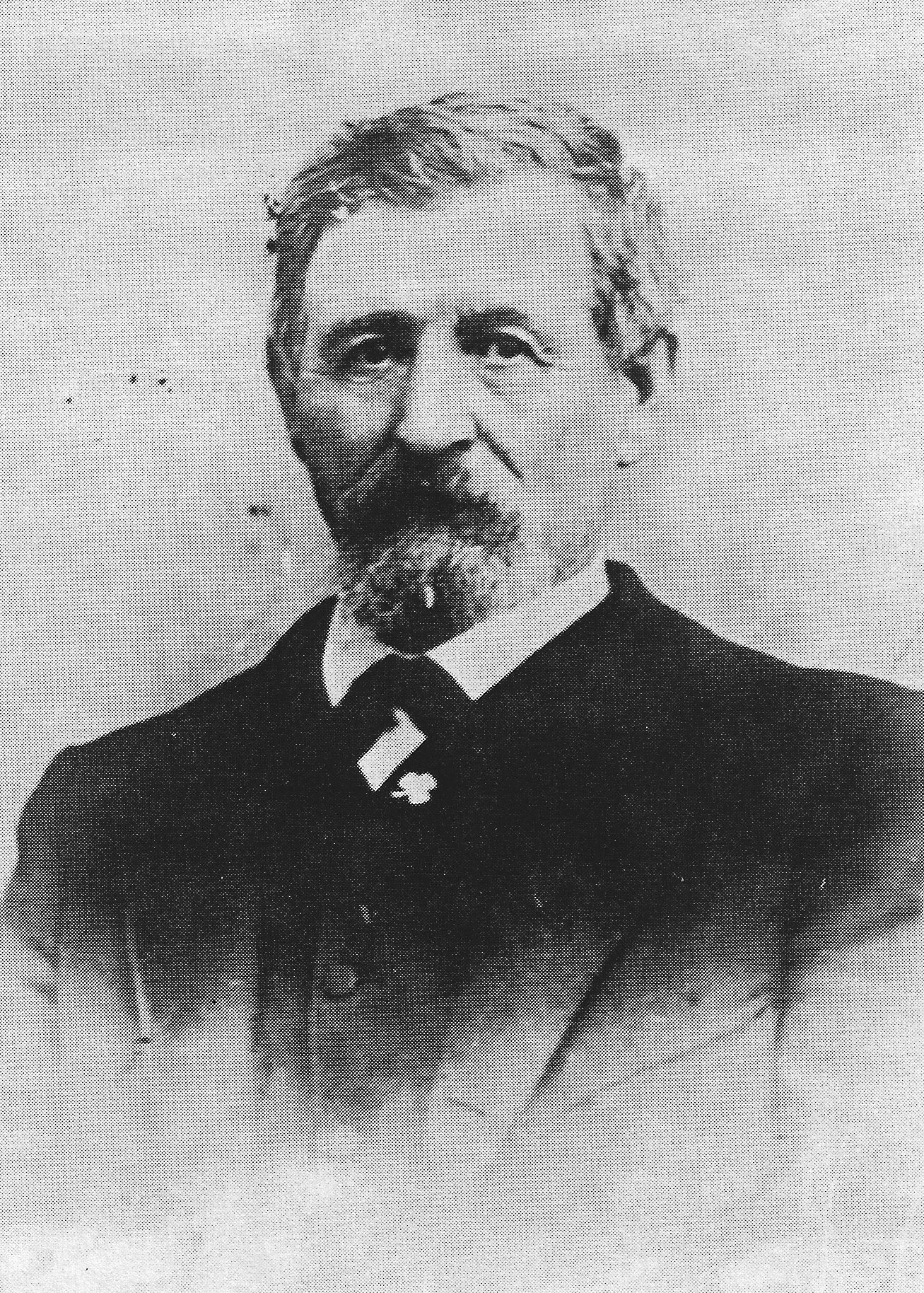
Joseph Iuen
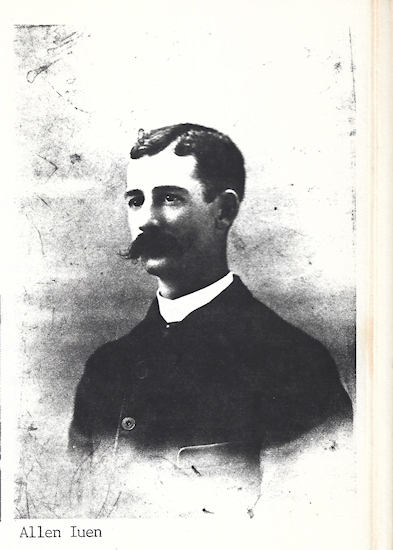
Allen Iuen was the 6th child of Jean Baptist Iuen
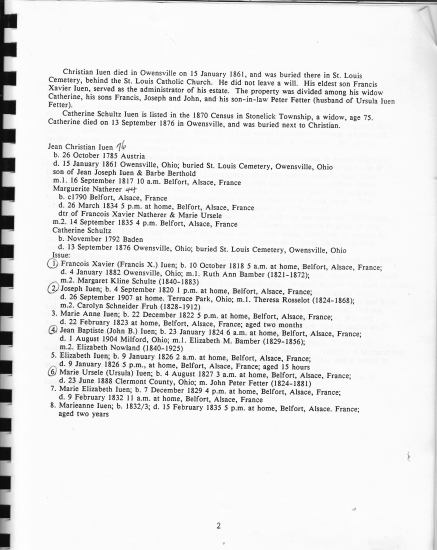
Page 2 from "The Christian Iuen Family History"
Fetter Family Photos
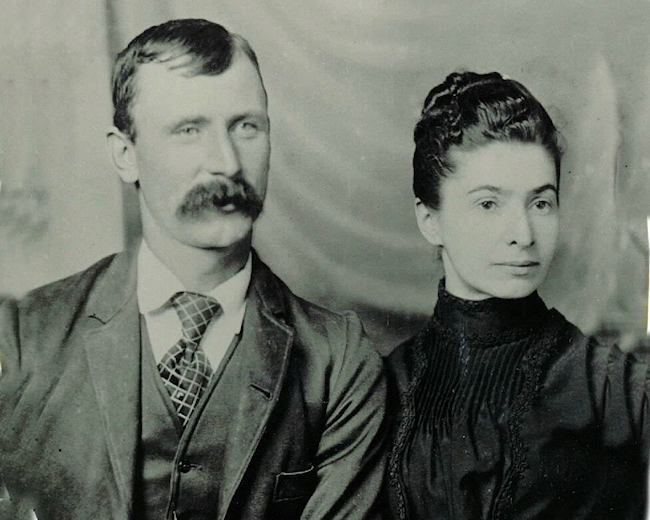
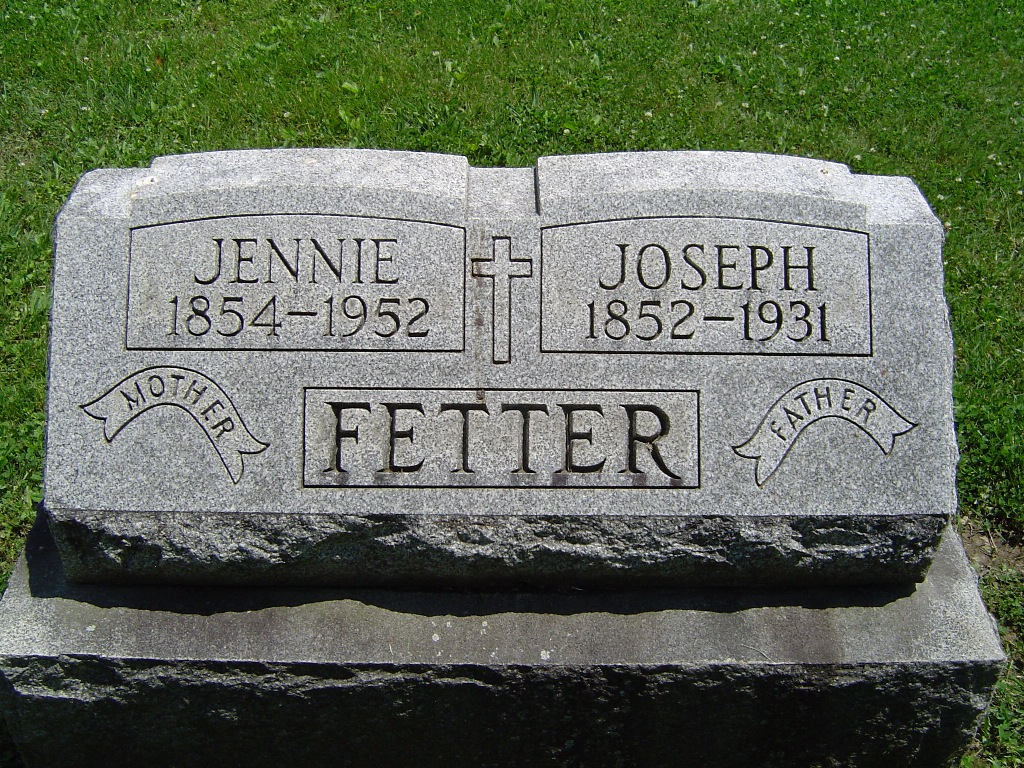
Joseph Fetter & Almira Jane "Jennie" Ferree
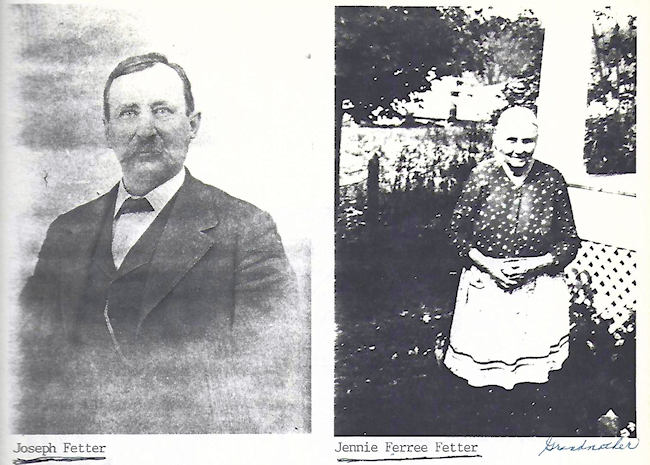
Joseph Fetter & Jennie Ferree Fetter
Iuen Family History page 121
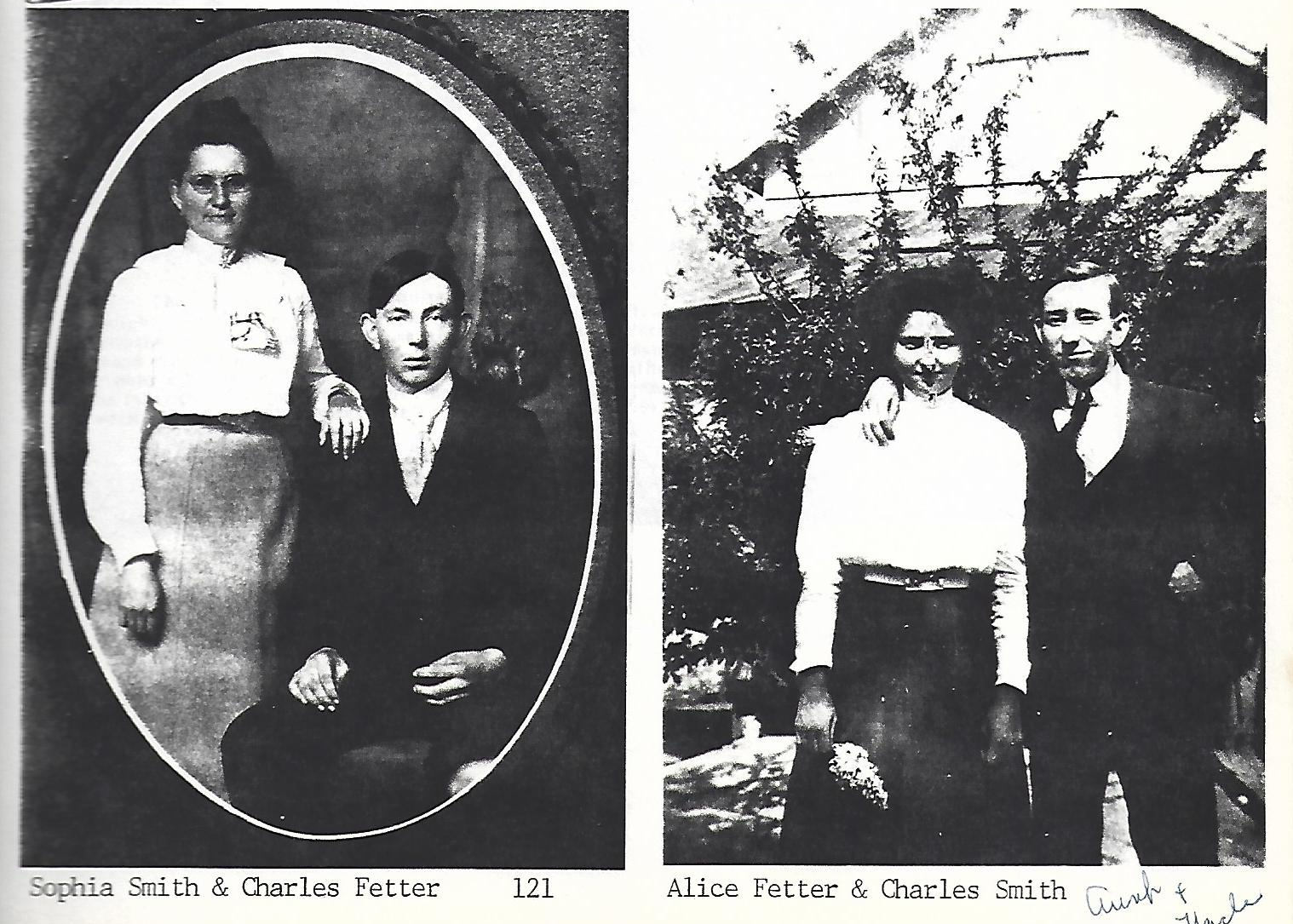
Great aunt and uncle Sophia Smith & Charles Fetter and Alice Fetter & Charles Smitth
Iuen Family History page 121
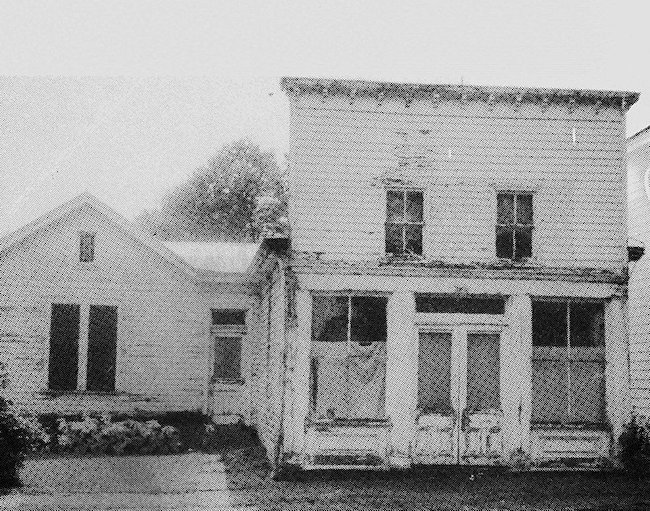
The John Christian Fetter store where he sold farm implements.
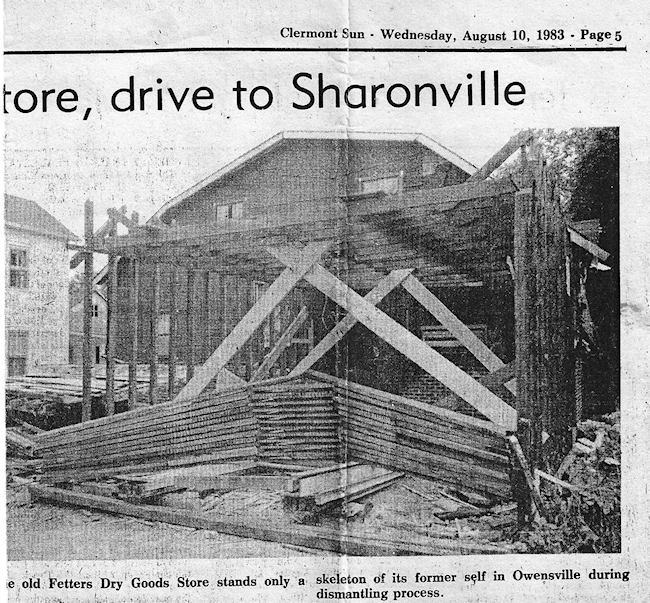
The century-old store was carefully dismantled and moved to a restored 19th century village in Sharonville, Ohio.
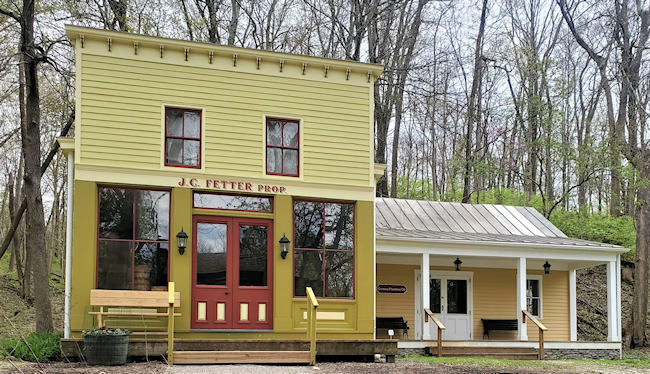
The restored John Christian Fetter store.
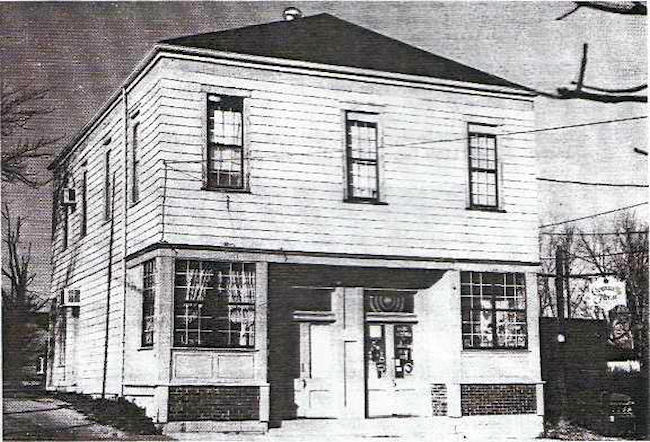
J.C. Fetter's notions store and the home of the Fetter family for generations.
Ferree Family Photos
Great great grandparents
Joseph Fetter & Elmira Jane "Jennie" Ferree
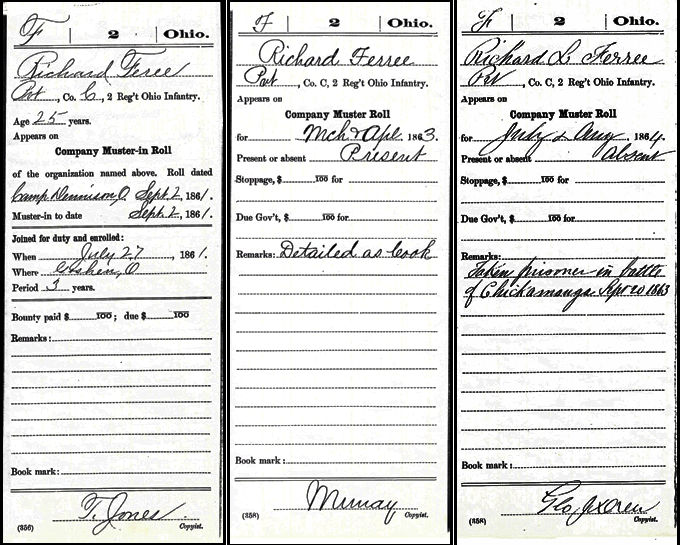
Richard Ferree's Muster Rolls from July 1861 through August 1864

Richard Ferree Muster-in Roll July 27, 1861, Goshen, Ohio
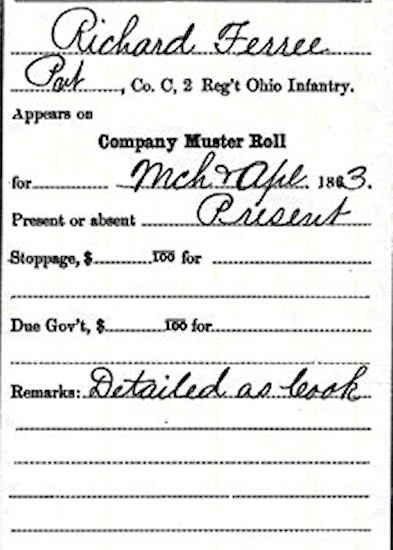
Richard Ferree
"Detailed as Cook"
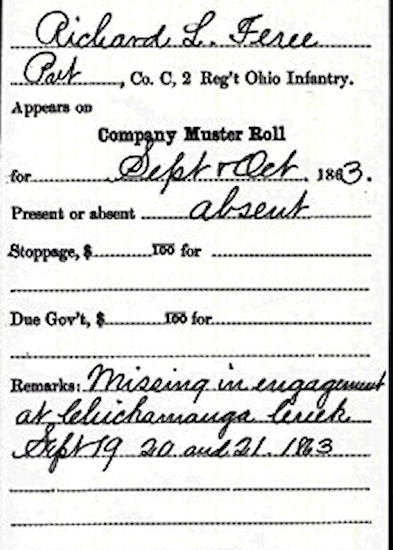
Richard Ferree
"Missing in engagement at Chickamauga Creek Sept. 19, 20 and 21, 1863"
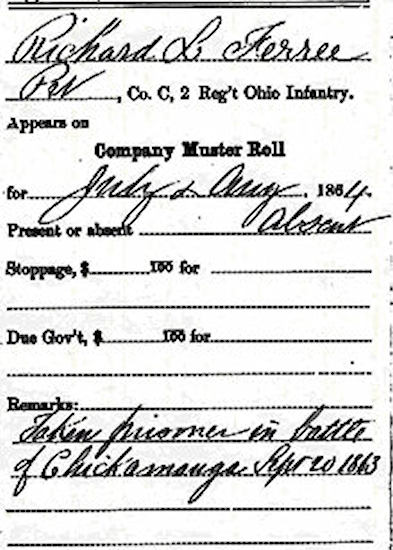
Richard Ferree
"Taken prisoner in battle of Chickamauga Sept 20 1863"
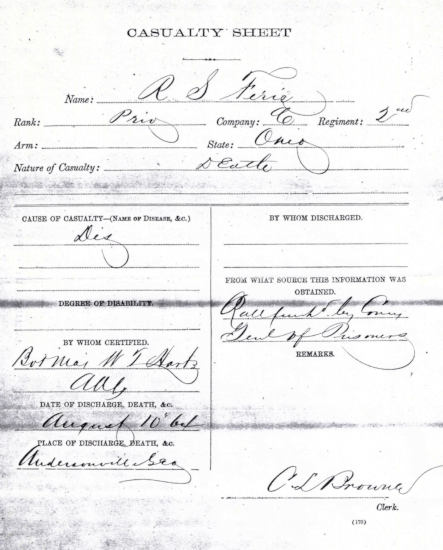
Richard Ferree Casuality Sheet
Died of Distemper August 10, 1864 Andersonville Prison, GA
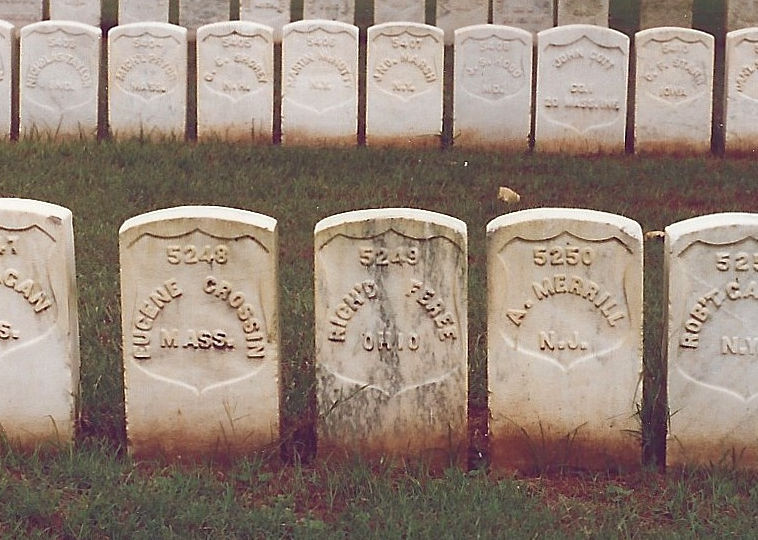
Richard Ferree's grave at Andersonville, Georgia
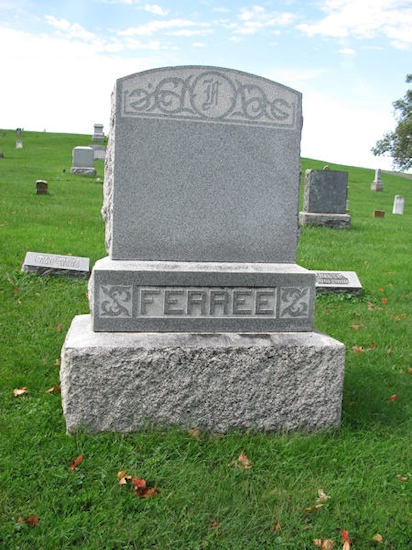
Snowden Ferree's headstone - Richard's father

John Ferree's headstone - Richard's grandfather
Brown Family Photos
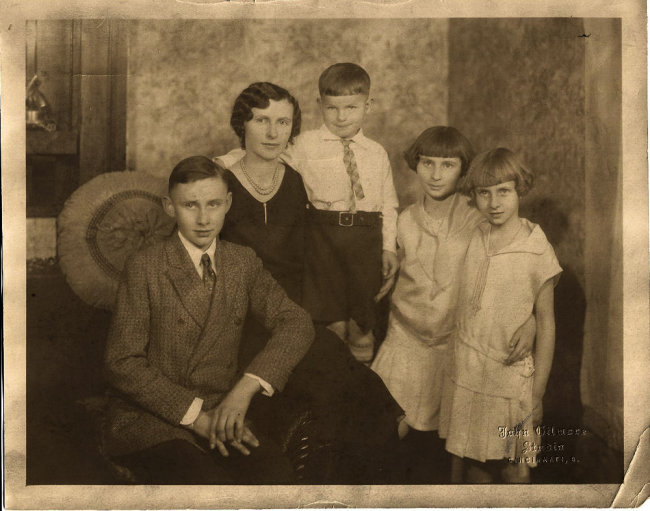
Edith Brown and her children, Joe, Don, Peggy and Rita
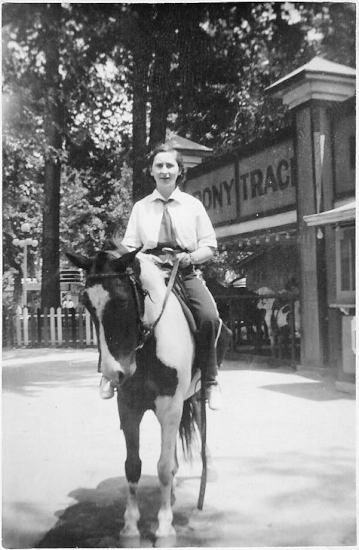
Peggy at Coney Island 1936
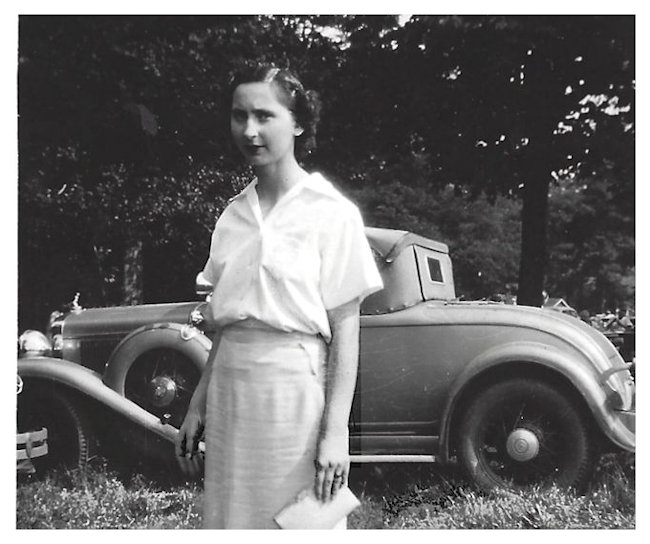
Mom with Dad's car "Buttercup"
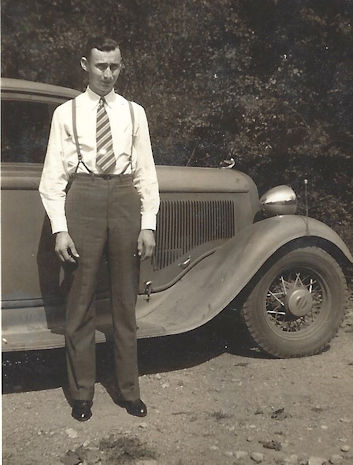
Mom's brother - Uncle Joe died at age 37
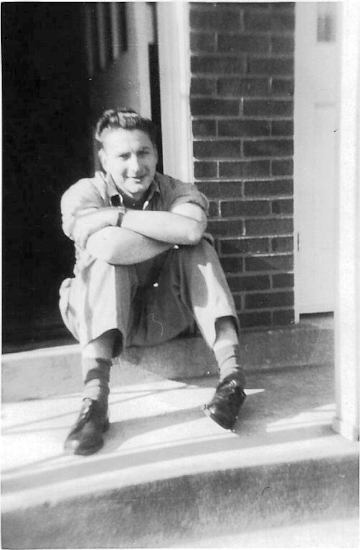
Mom's brother - Uncle Don
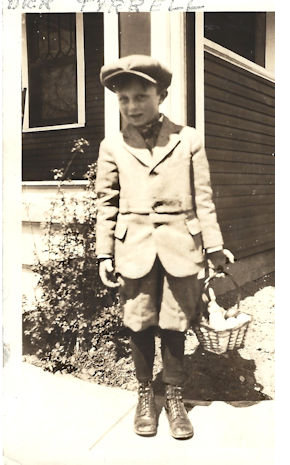
My Dad in his youth
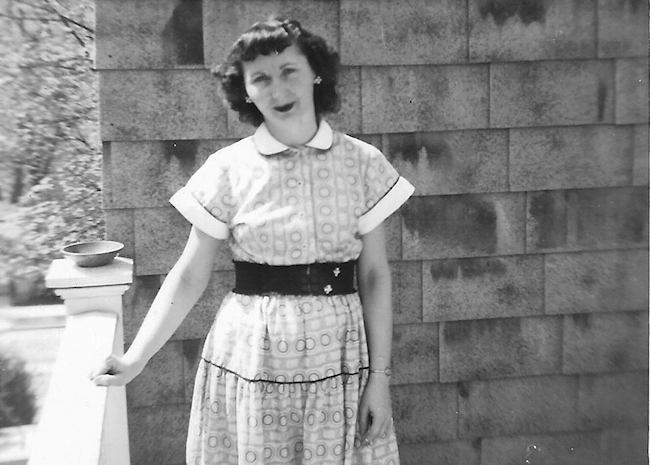
My Mom at our house on Hamilton Ave.
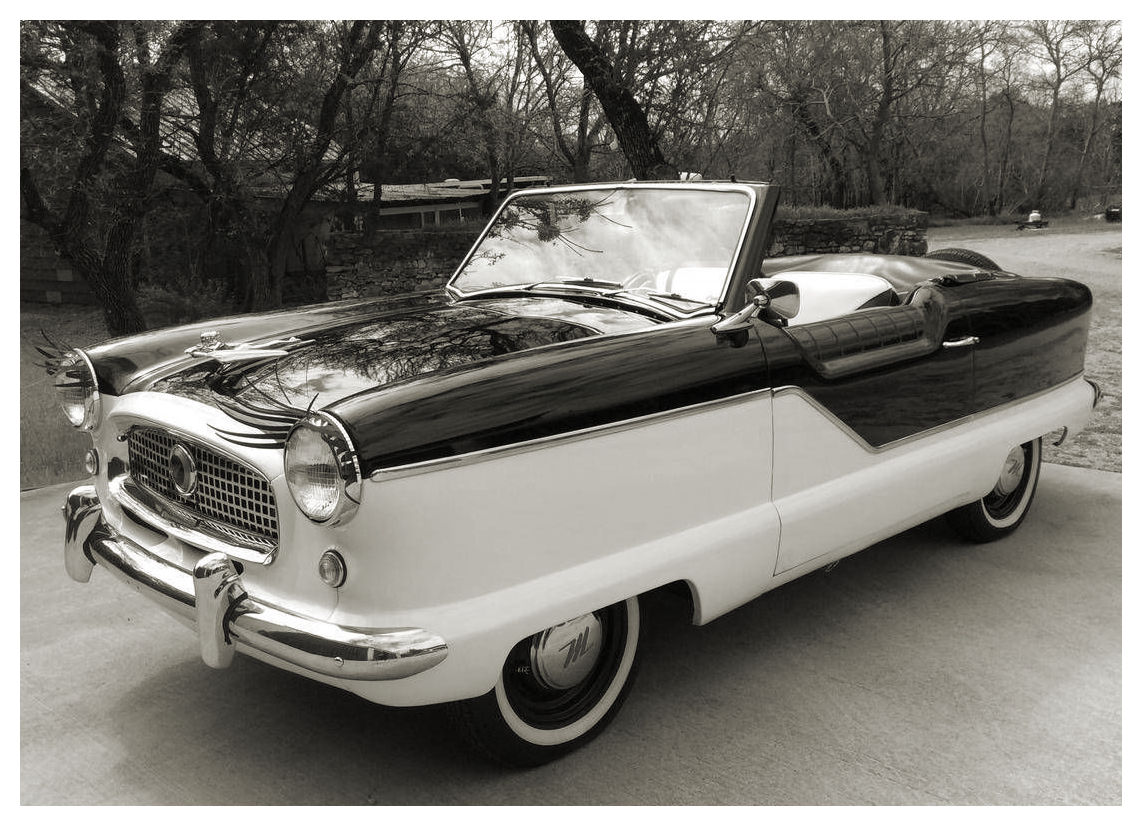
Mom's black and white Nash Metropolitan convertable.
First car she drove since she wrecked Dad's car.
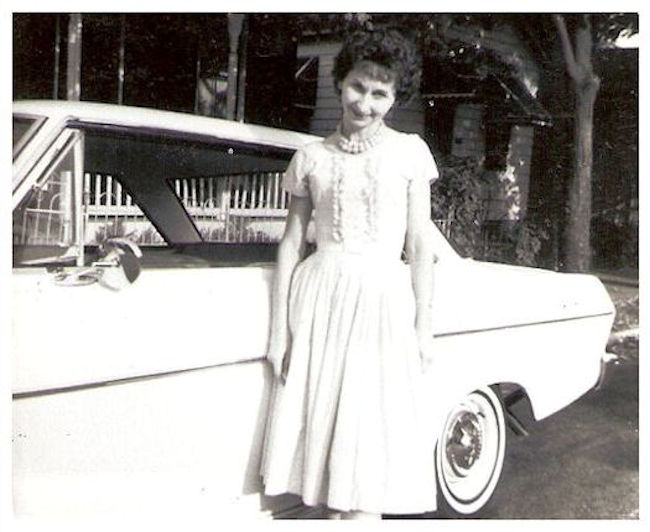
After regaining confidence in driving again, Mom bought this new Chevy II
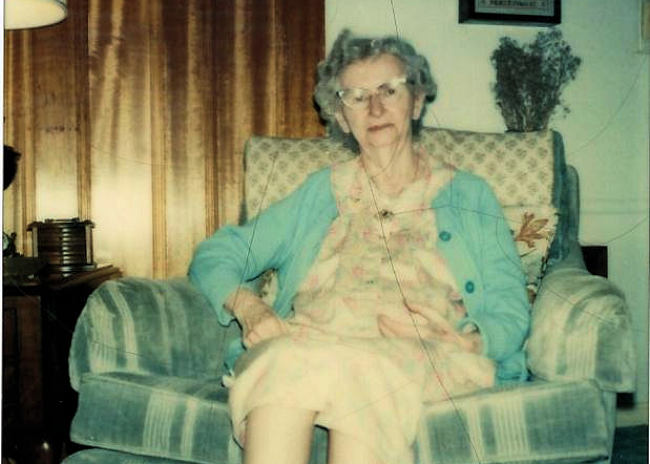
My Grandmother Edith Brown
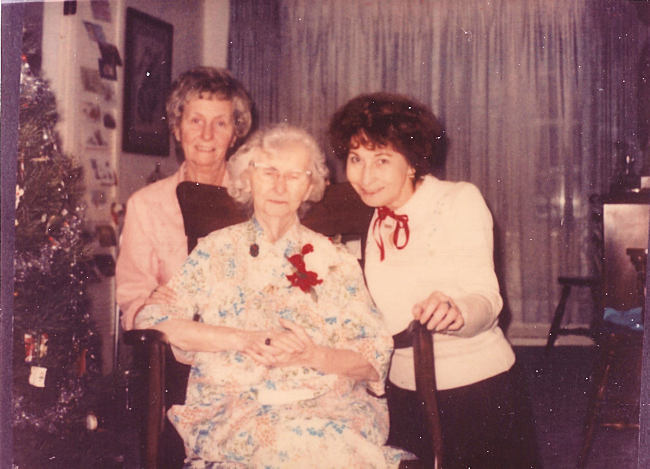
My mother Peggy (right) with her sister Rita and their mom
Cincinnati History
Transportation
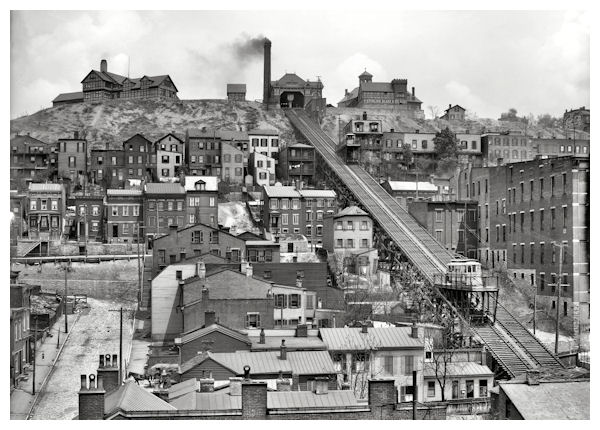
The Mt. Adams incline with the Rookwood Pottery (1880) at the top of the hill on the left
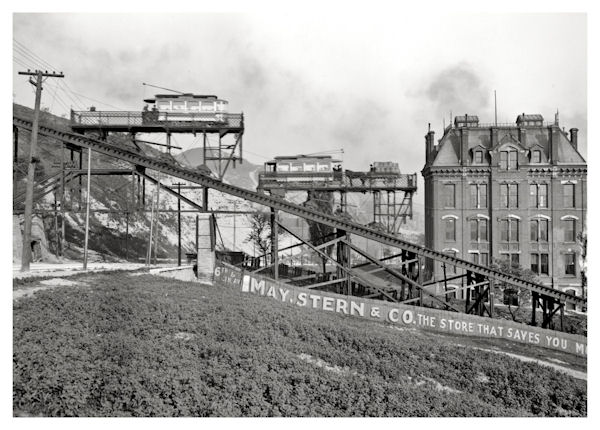
Inclines worked like a funicular. The Mount Adams incline began carrying horsecars in 1877. It was later strengthened for the much-heavier electric streetcars.
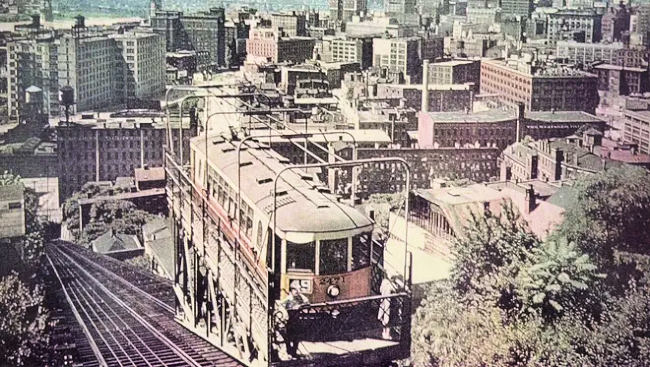
A streetcar on the Mt. Adams incline
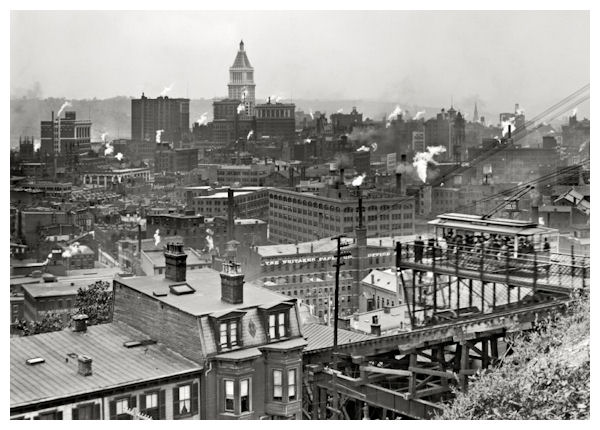
As a child I was petrified riding the inclines. Acrophobia!
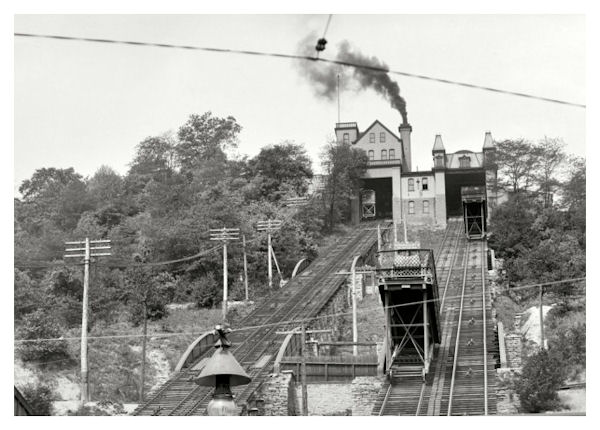
The Price Hill Incline
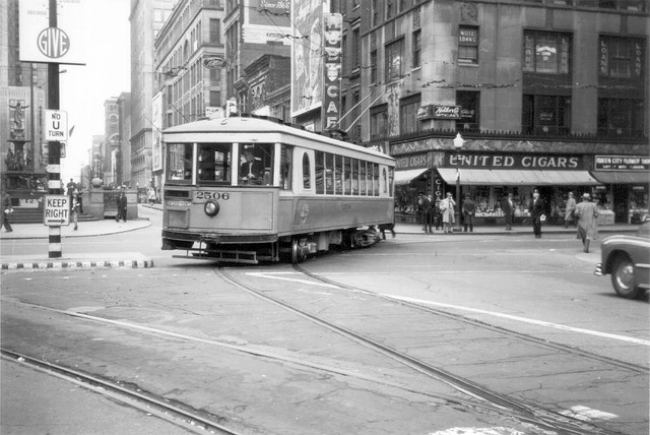
Cincinnati was famous for its streetcars. Only three cities in North America had streetcars wih double overhead trolley wires
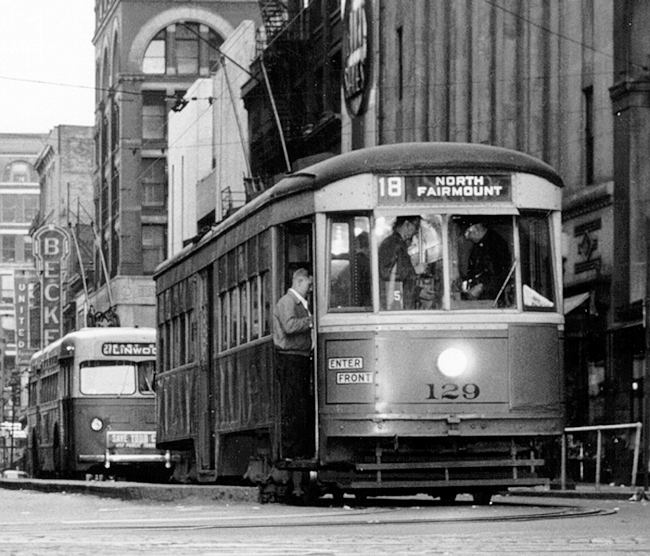
Trolly buses followed the streetcars that were phased out on April 29, 1951
City Sites

Fountain Square I remember the RKO movie theater and the Planters store with a big Mr. Peanut statue on Fountain Square.
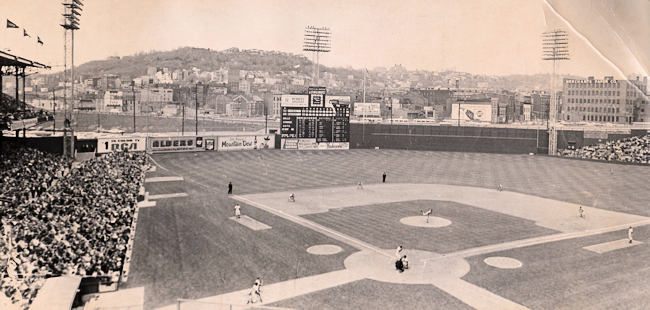
Crosley Field This Major League Baseball park was the home field of the Cincinnati Reds from 1912 through June 24, 1970
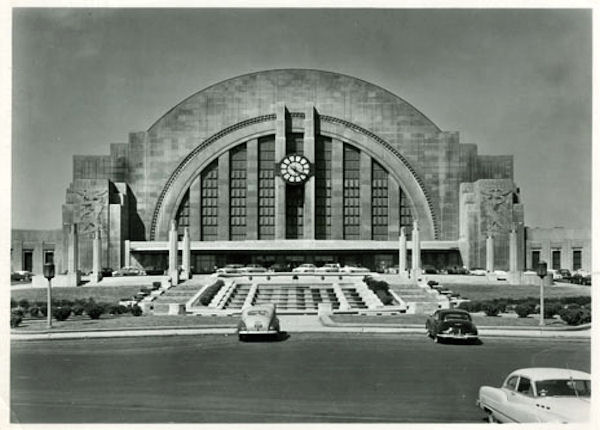
Union Terminal Opening in 1933, it was one of the last great train stations built. The building is an iconic symbol of the city. Today it houses the Cincinnati History Museum, Museum of Natural History & Science and the Cinergy Children's Museum
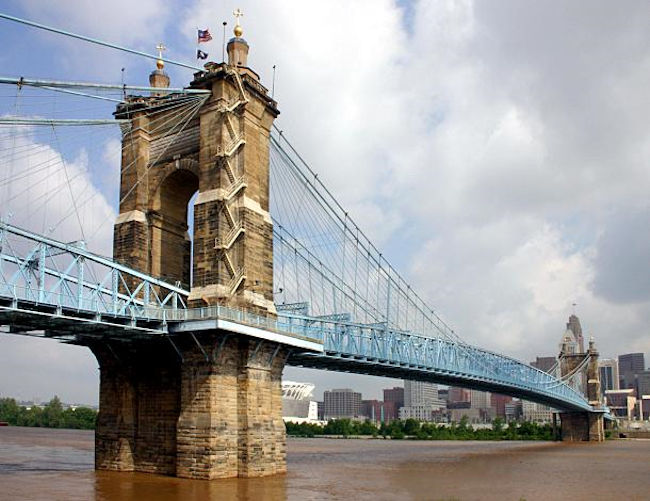
The Roebling Suspension Bridge was a prototype for the Brooklyn Bridge.
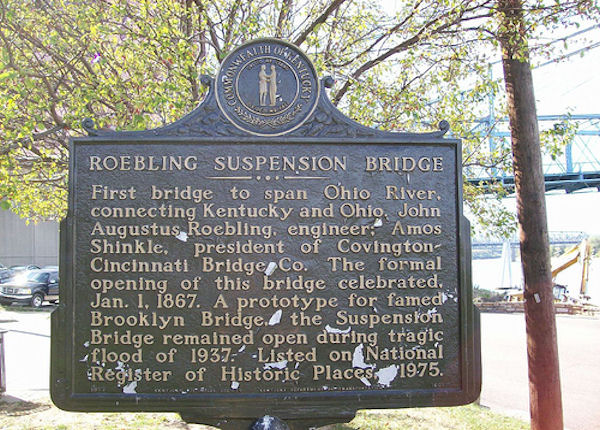
About the bridge
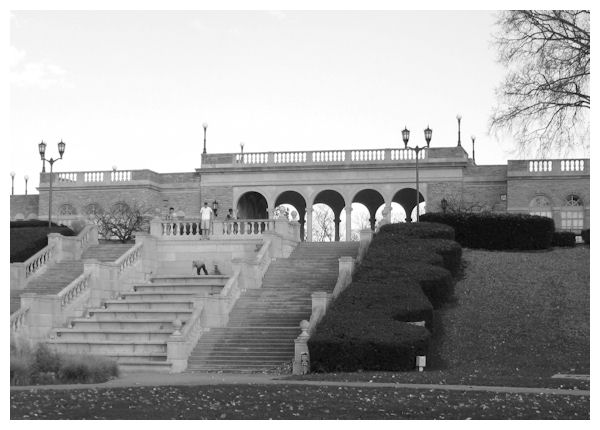
Ault Park Pavillion was the place to go dancing on Friday nights. There was always a live band. Ten dance tickets cost $1.00. Girls didn't pay so you got 5 dances for your buck! Getting Lucky meant a moonlight kiss on top of the pavillion
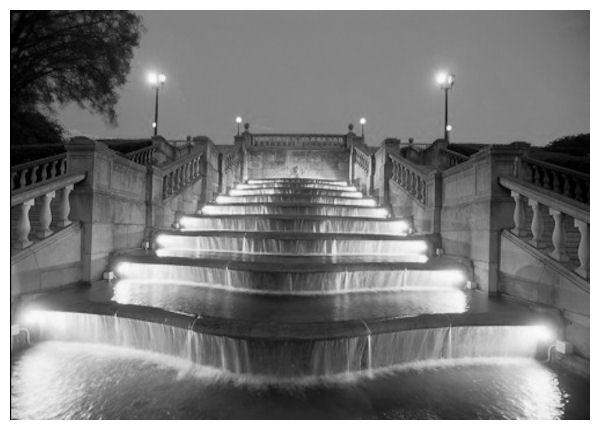
The lighted water fall between the stairs always added an air of romance to Ault Park
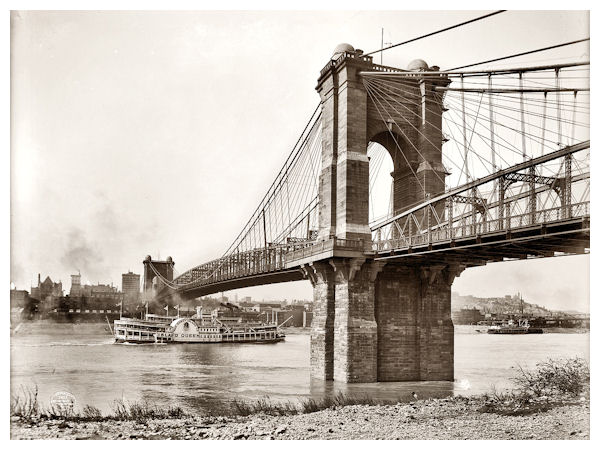
In 1896 the new Island Queen began carrying passengers between Cincinnati's Public Landing and Coney Island
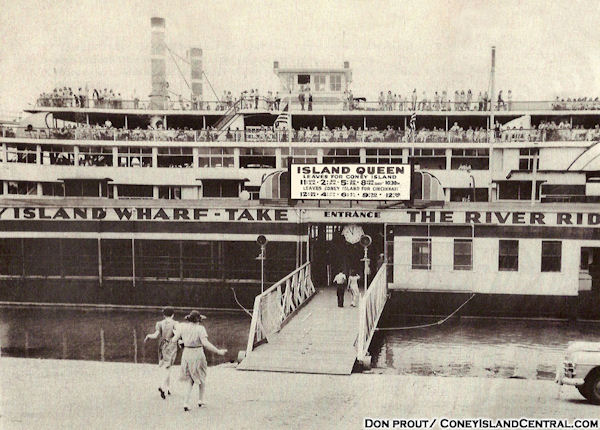
Boarding the Island Queen at Cincinnati's Public Landing
Coney Island, Cincinnati
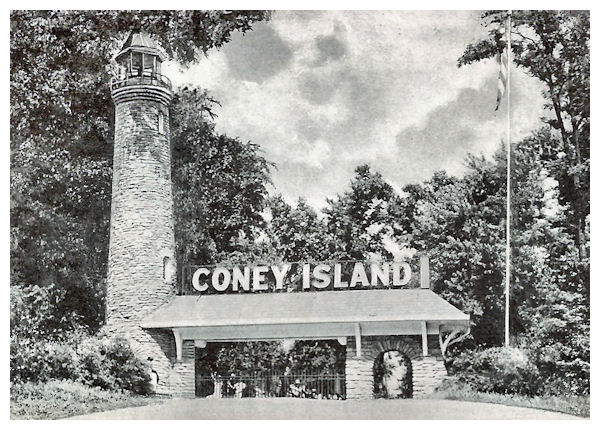
The entrance to Coney Island from the Ohio River
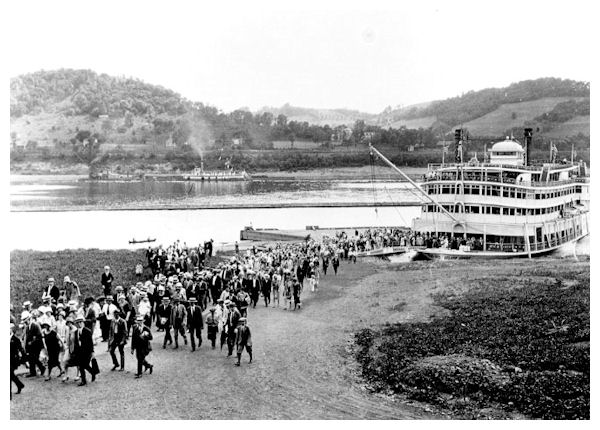
Four Island Queens served Coney Island over the next 50 years

Coney's swimming pool was said to be "the worlds largest recirculating pool"
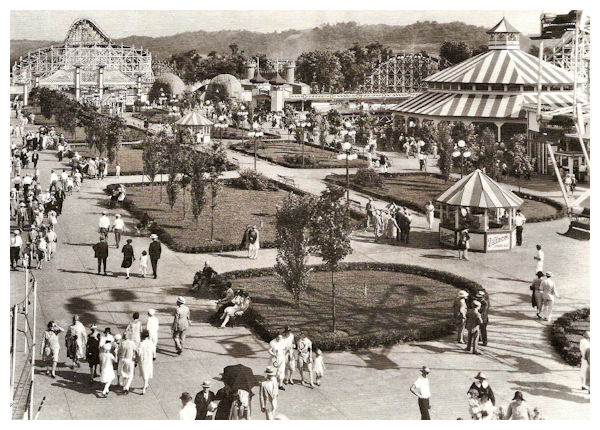
Going to Coney Island as a kid was an annual treat
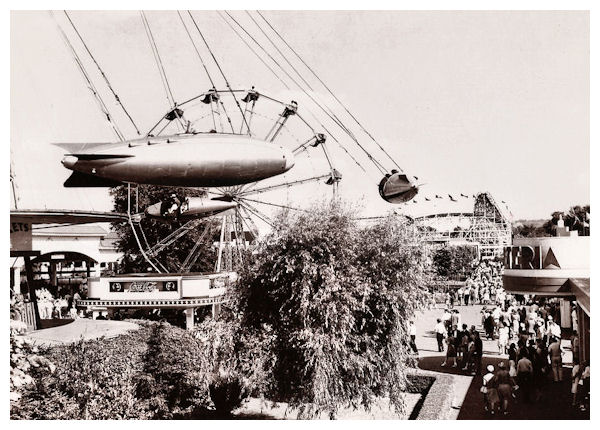
Acrophobia prevented me from partaking rides like this at Coney Island
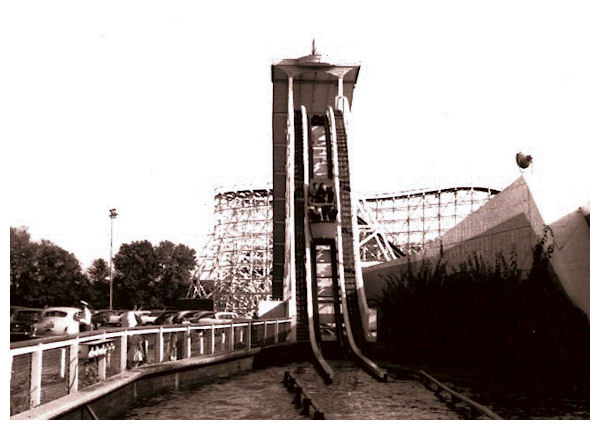
Lost River was commonly called the Tunnel of Love. I managed to take a couple girls on this ride regardless of my acrophobia

Lake Como at Coney Island
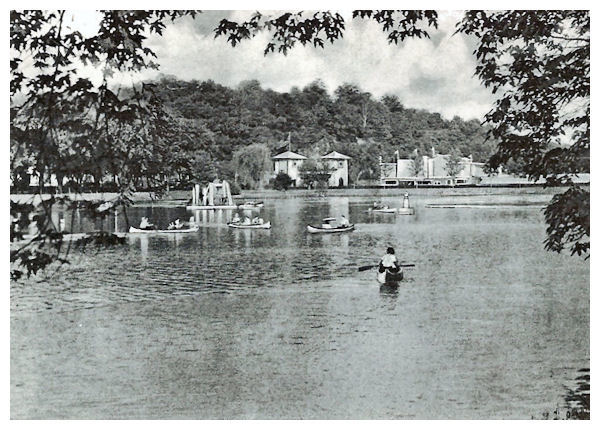
Going for a moonlight canoe ride on Lake Como after dinner at Moonlight Gardens was our idea of a romantic night
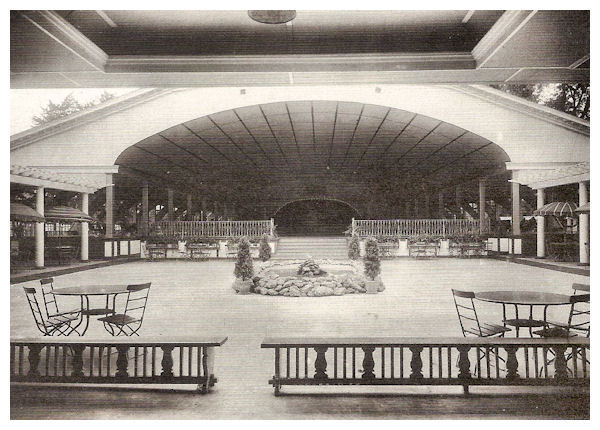
Moonlight Gardens, Coney Island, Cincinnati was a great place to
go dancing to the Big Bands or see Frank Sinatra
The Old Public Library
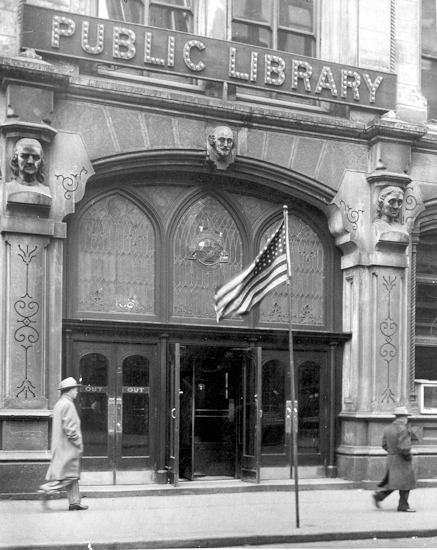
Patrons entered on Vine St.beneath the busts of William Shakespeare, John Milton, and Benjamin Franklin.
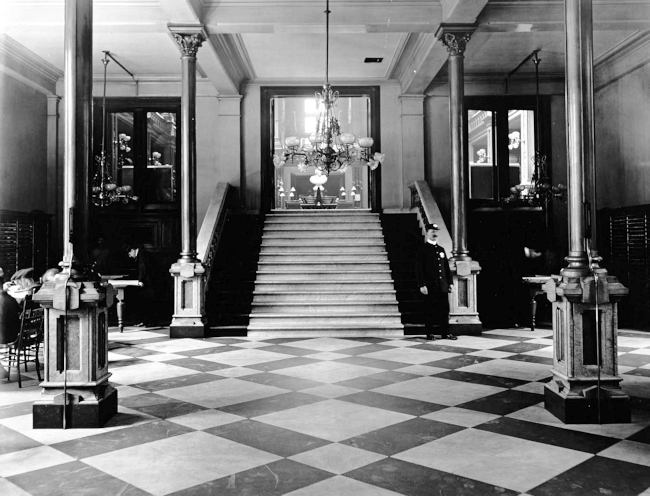
The 'Old Main' (1874-1955) was built on the site reserved for an opera house
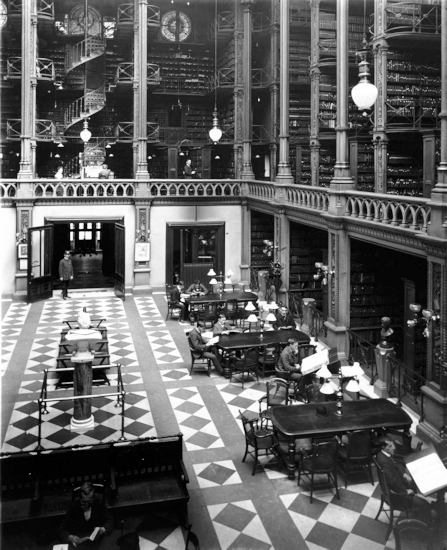
The beautiful main hall with checkerboard marble floors
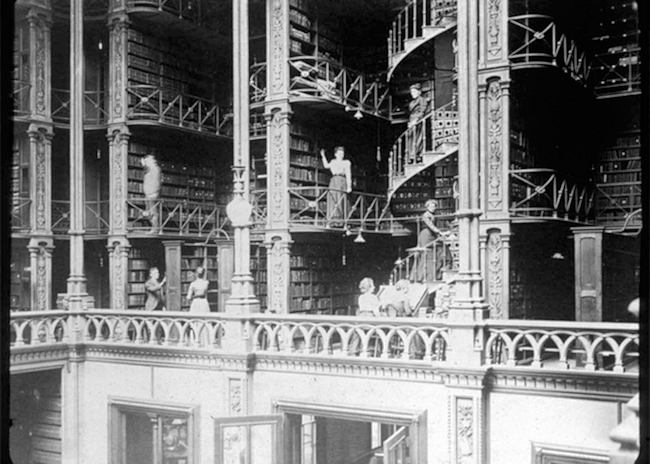
The main hall was lit by a skylight ceiling
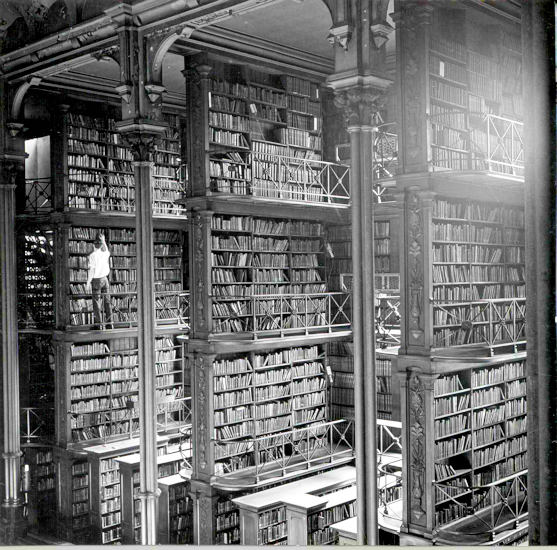
The "stack levels" were large cast-iron book alcoves.
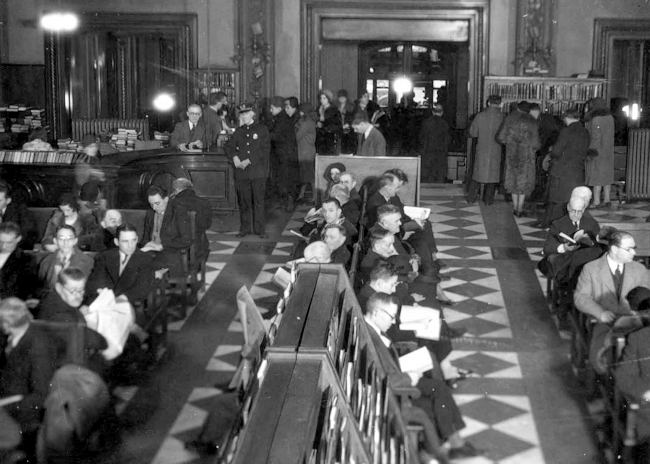
Over the years the library wasn’t able to accommodate all the readers
©Copyright 2001 Charles Tyrrell - All rights reserved
No part of this publication may be reproduced, stored, or transmitted in any form without prior permission of the author. Copyright Notice
No part of this publication may be reproduced, stored, or transmitted in any form without prior permission of the author. Copyright Notice